


It’s important to look closely at the Christmas birth narratives, not to dismiss them, but to explore their mythological roots and the human values beneath them. We’ll look at why supernatural claims shouldn’t be taken literally, how early Christians reshaped older stories, and how the season’s meaning can stay rich and joyful without requiring belief in ancient miracles.
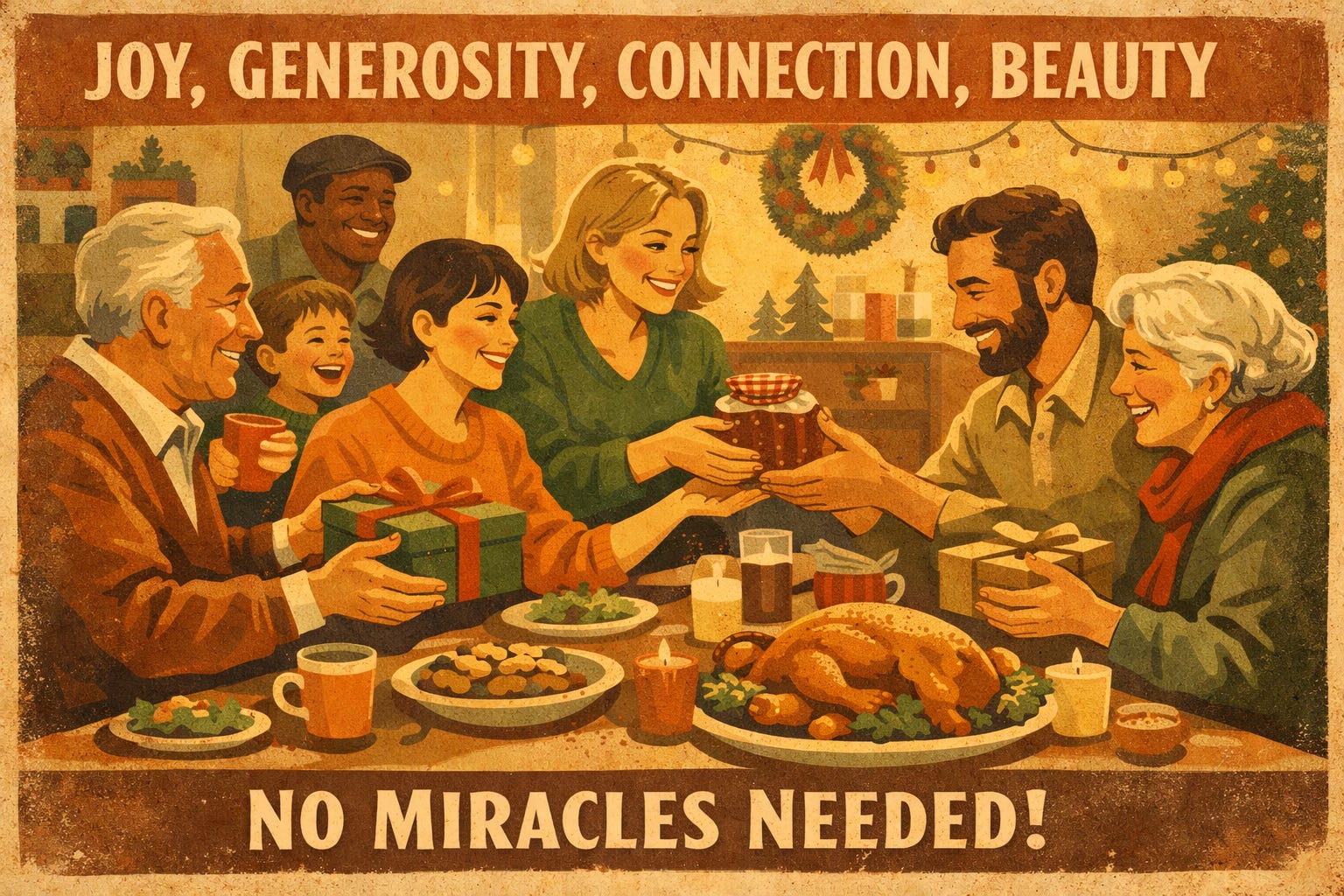
Have you ever noticed how the Christmas season brings out the most elaborate supernatural claims—and how confidently people present them as historical fact? Virgin births, prophetic signs, angelic visits… it’s one of the few times of year when mythological stories are placed on center stage and treated as unquestionable truth. And yet, when we look closely, these stories tell us far more about human creativity, cultural borrowing, and the desire for legitimacy than about literal events.
Welcome to Mythologizing the Bible, where we’ll be taking a look at three readings from the Christian Bible through the lens of “sacred myth.”
As we reflect on the readings for the 4th Sunday of Advent, we’ll explore how early Christians used storytelling to establish authority, shape identity, and encourage obedience… and how we can reclaim the season’s joy without relying on claims that collapse under scrutiny.
In this episode, we’re asking an honest question: If these so-called “infancy narratives” about Jesus were shaped by myth, politics, and centuries of reinterpretation, what does it look like to celebrate Christmas without needing the stories to be literally true?


