


When forgiveness becomes an obligation, who really benefits? Discover how to reclaim your emotional freedom without excusing harm or abandoning accountability.
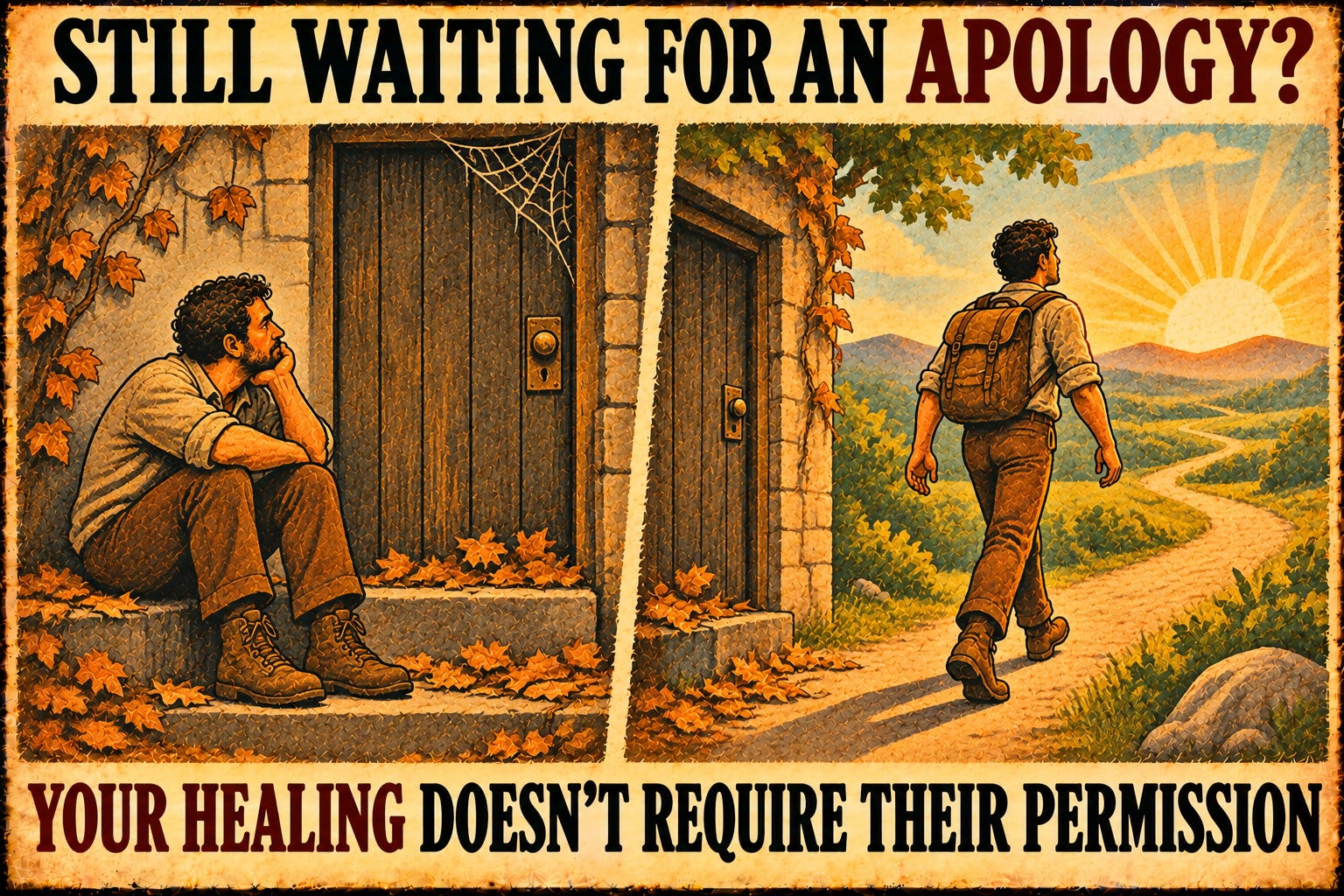
It’s interesting how quickly our conversations about forgiveness can shift from what someone did to hurt us to what we’re expected to do about it. We’re encouraged to be the bigger person, let go of the past, and give someone another chance. And according to some biblical teachings, our willingness to forgive others can even determine whether we’re worthy of receiving forgiveness from God. But why are we placing an additional moral burden on the person who’s already been hurt?
Now, I happen to believe that forgiveness can be an incredibly valuable practice, even when the person who hurt us refuses to acknowledge that they’ve done anything wrong. But there’s a fundamental difference between choosing to forgive someone for our own emotional well-being and being pressured to forgive them for someone else’s benefit. And that raises a rather uncomfortable question: Who benefits when forgiveness becomes an obligation rather than a choice?
So, let’s dive into that… in this episode of Afterthoughts!


