


What if the way we argue is actually making things worse? In a culture obsessed with winning debates, we should consider the possibility that gentleness, respect, and self-control aren’t weaknesses, they’re the most demanding and effective ethical practices we have!
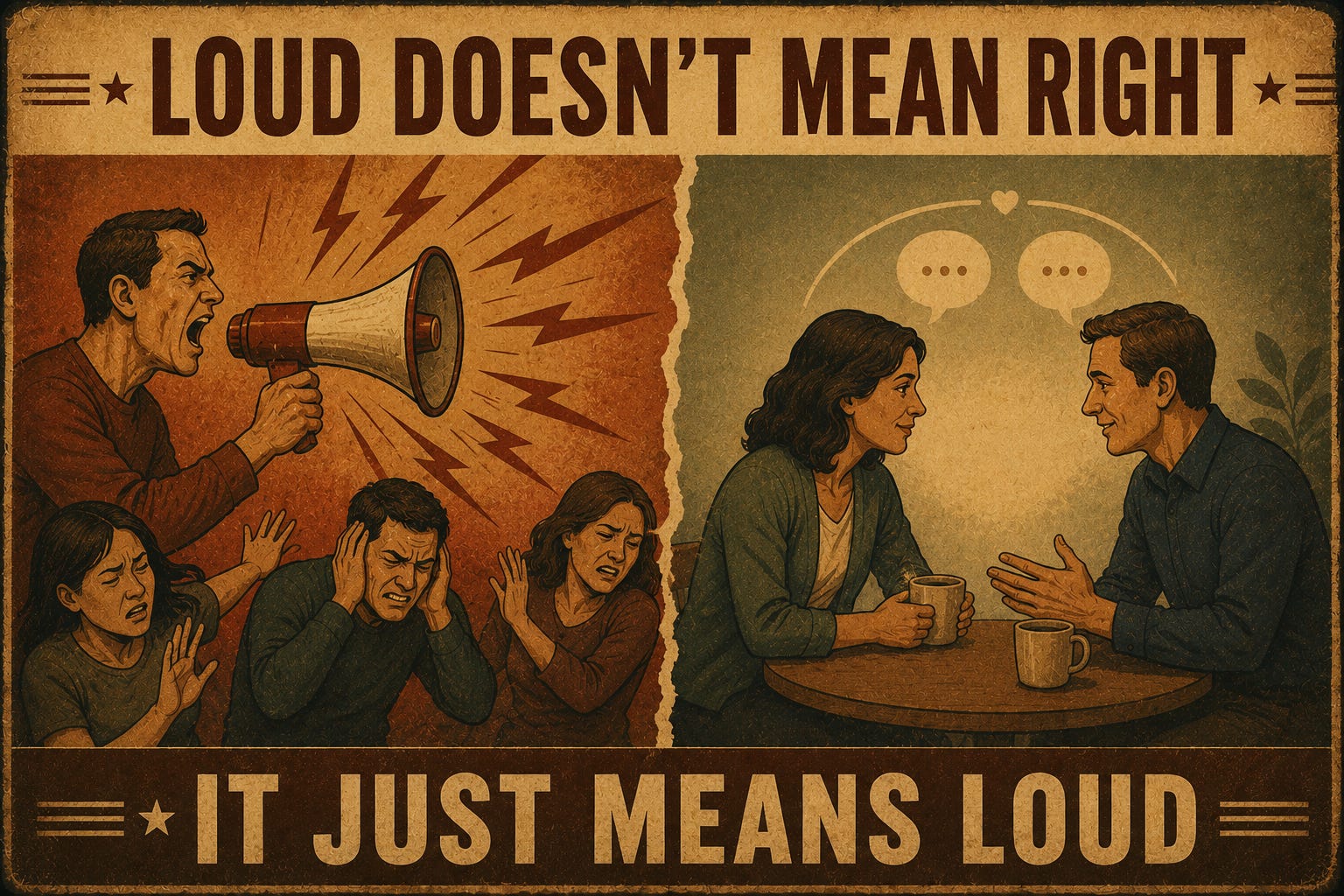
Let’s start with something most of us have seen or maybe even participated in. It’s the current culture that’s best defined as “debate me, bro.” The comment threads. The viral clips. The person sitting at the table on a college campus with a sign that says, “Change My Mind.” On the surface, it looks like a pursuit of truth. It feels like courage. Confidence. Intellectual strength. But if you watch closely, it’s not really about understanding… at all. It’s about performance.
Because the goal in those moments isn’t connection. It’s victory. It’s about landing the clever line, getting the applause, maybe even going viral. And here’s the thing: when you “win” like that, your brain rewards you. You get a hit of dopamine. A rush of adrenaline. You feel sharp, validated, maybe even a little invincible. But the other person? They’re not persuaded. They’re humiliated. Or defensive. Or just gone.
And that’s the trade we’ve made without realizing it. We’ve optimized for the feeling of “being right” instead of focusing on doing the work to be effective. Add in the meme culture—those quick, punchy, emotionally charged video clips and soundbites—and now we’re not even engaging with ideas anymore. We’re signaling identity. “I believe this. I’m part of this group. I’m on the right side.” It feels good, but it doesn’t move anything forward. It just hardens the lines that divide us.
So, let’s dive into that… in this episode of Afterthoughts!


