


We don’t need to throw the cross away as meaningless religious clutter. We can reclaim its historical meaning. Not as a magical object. Not as proof that suffering is holy. Not as a demand that people quietly endure abuse, poverty, discrimination, or oppression while waiting for a reward in another life. We have had enough of that. We can reclaim the cross as a monument to human courage!
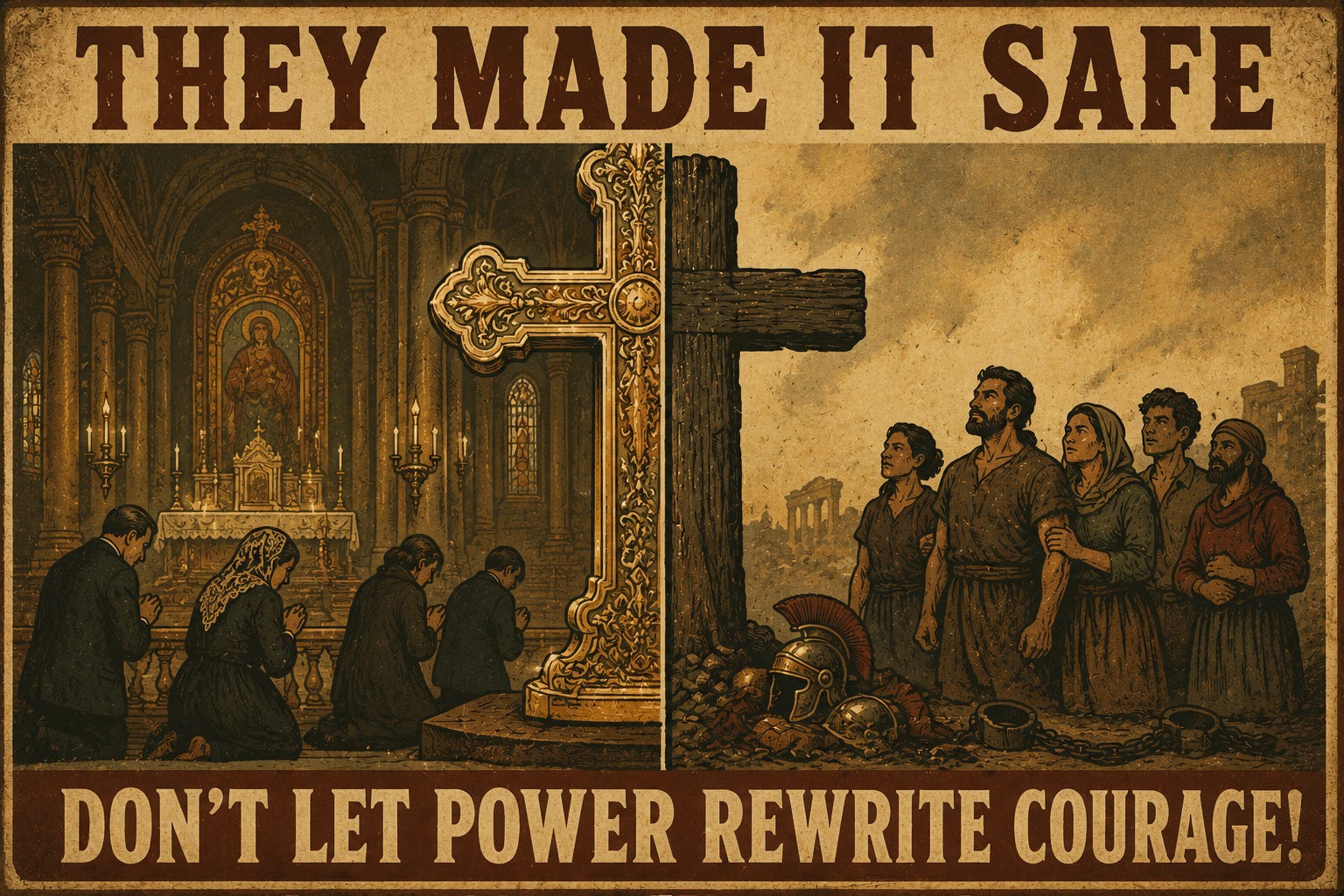
Picture a cross for a moment. What do you see?
If you’re an atheist, maybe you see a superstition, or a symbol of an institution that has caused lots of harm over the last 2,000 years. If you’re a humanist, you may see religious iconography: jewelry, church steeples, stained glass, and a lot of theological baggage. If you’re a Christian, you may see salvation, forgiveness, sacrifice, or a source of comfort in difficult times.
Those reactions make sense. They are also almost certainly nothing like what a cross meant in first-century Roman Palestine!
For people living under Roman occupation, a cross was not a decorative symbol. It was not a private spiritual reminder. It was a public instrument of terror. Think less of a necklace and more of a lynching noose. Think of an electric chair, a guillotine, or a brutal execution displayed where everyone passing by is meant to see it. The point was not only to kill a person. The point was to warn everyone else.
That changes the way we hear the line in Matthew 10 about taking up a cross.
Today, people often use “my cross to bear” to describe a difficult boss, a chronic illness, an annoying relative, or the fact that the Wi-Fi goes out during the season finale. Life is hard; we all have burdens. But that is not the meaning that this image originally carried. The language points toward danger, punishment, and the possibility that standing against entrenched power can cost a person everything.
So, let’s dive into that… in this episode of Afterthoughts!


