


If you’ve attended a leadership seminar, read a management book, listened to a business podcast, or spent more than fifteen minutes on LinkedIn over the last decade, you’ve probably heard the same message repeated over and over again: empathy is the ultimate leadership superpower. Great leaders are empathetic. Great managers are empathetic. Great organizations are empathetic. Unfortunately, like so many other corporate buzzwords, empathy isn’t all it’s cracked up to be!
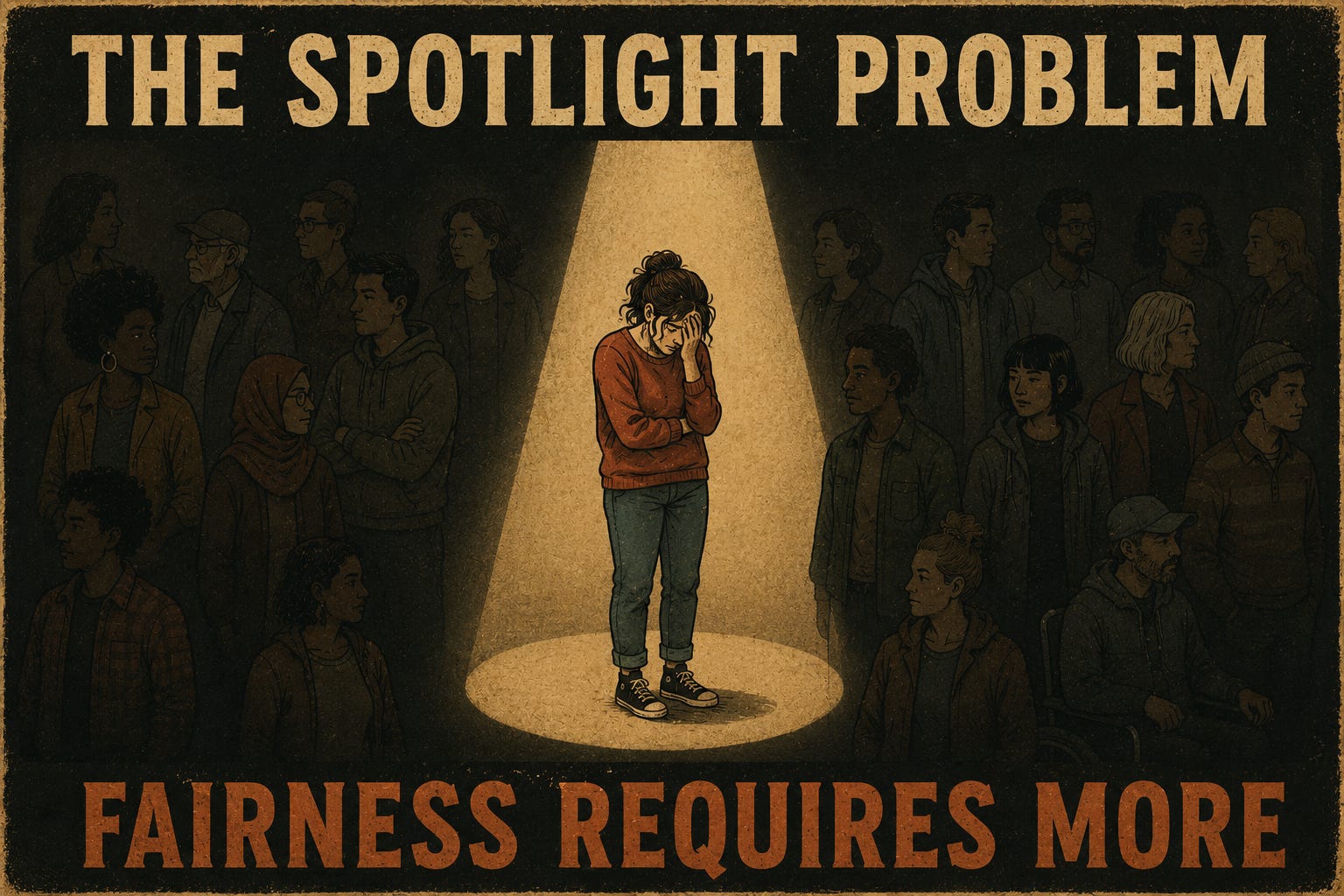
Now, before anyone starts drafting an angry email, let me be clear: I am not arguing for cruelty, indifference, or treating people like malfunctioning office equipment. Quite the opposite, in fact. But I do think we’ve stumbled into a semantic trap. When most people praise empathy, what they actually mean is kindness, understanding, compassion, patience, or simply paying attention to another human being. Those are all valuable qualities. The problem is that empathy, in its most literal sense, means something much more specific. It means feeling with another person. It means emotionally resonating with their experience, absorbing some portion of their fear, grief, anxiety, or distress into yourself.
And that’s where I started getting uncomfortable with the way empathy was being promoted in management circles. Back when I was supervising teams, I used to argue against empathy in the workplace. Not because I was heartless, but because I noticed a pattern. Whenever I began feeling with an employee—when I emotionally absorbed their panic about a deadline, their anxiety about a project, or their frustration with a workplace conflict—my decision-making often got worse. Instead of stepping back and evaluating the situation more clearly, I found myself reacting to the strongest emotional signal in the room. I wasn’t solving problems anymore. I was performing emotional triage.
So, let’s dive into that… in this episode of Afterthoughts!


